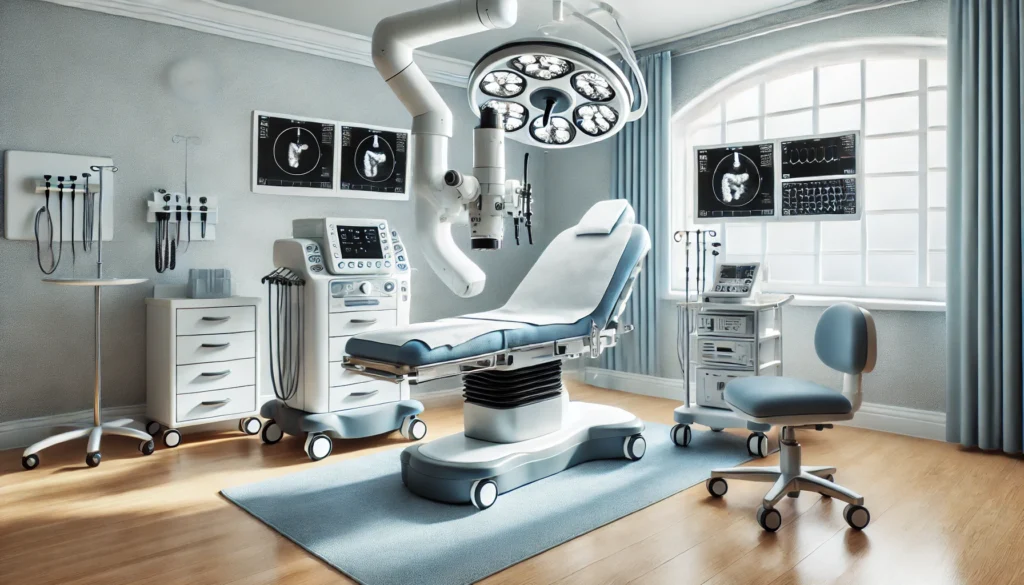
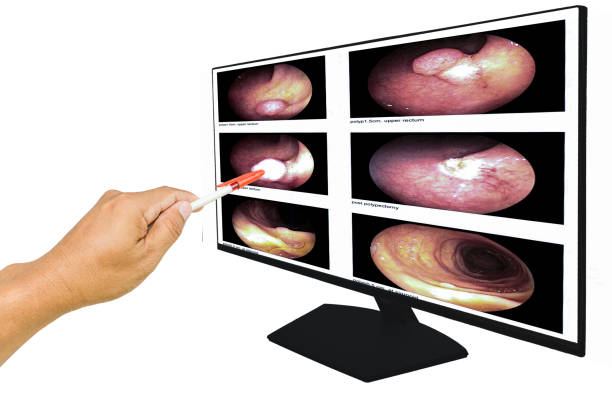
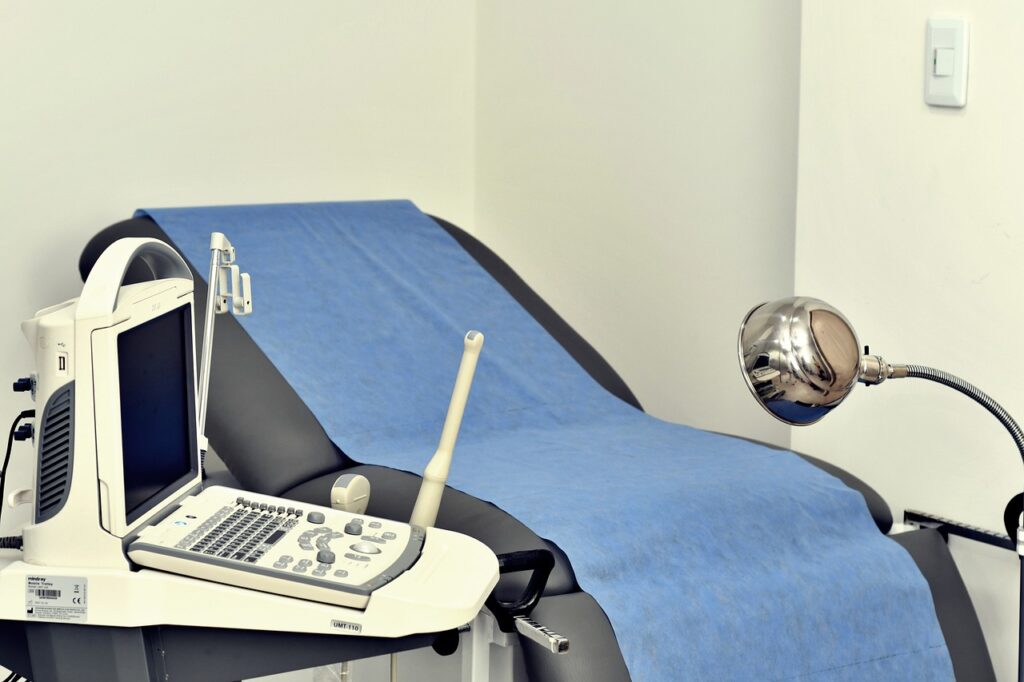
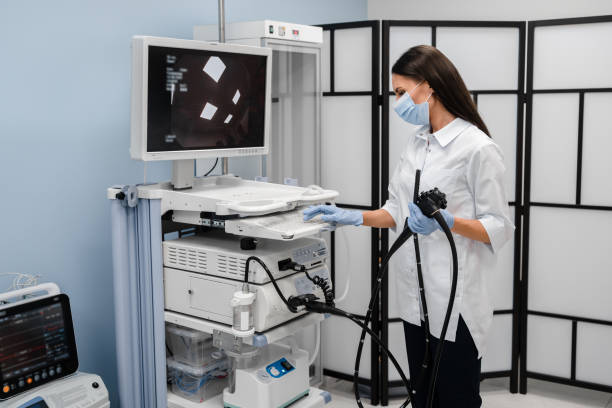
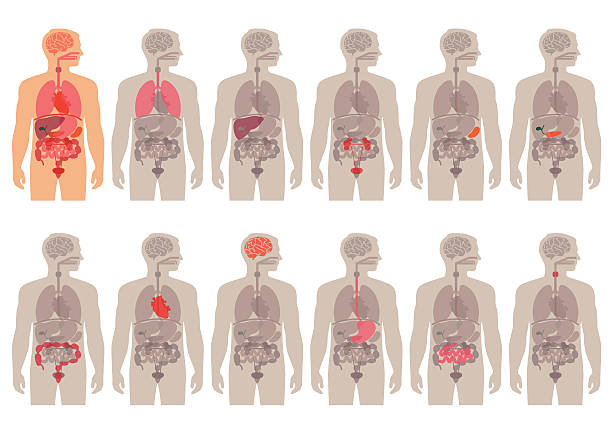
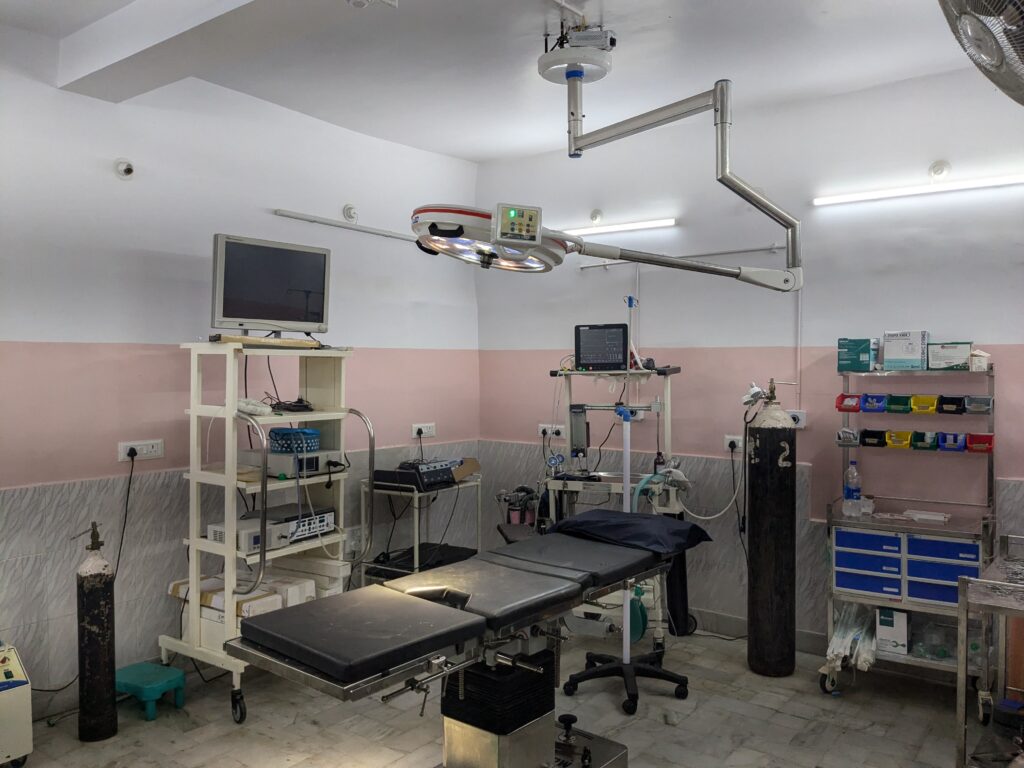
Endoscopy involves the use of a thin, flexible tube equipped with a camera and light to visualize the inside of the body. It is commonly used to examine the digestive tract, lungs, and other internal organs. This procedure is highly effective in detecting issues like ulcers, tumors, blockages, and inflammation.
Types of Endoscopy
At Jaipuriar Hospital, we perform various types of endoscopy to cater to different medical needs:
Upper Endoscopy (Esophagogastroduodenoscopy): Used to examine the esophagus, stomach, and upper part of the small intestine.
Colonoscopy: Focuses on the large intestine and rectum.
Bronchoscopy: Examines the airways and lungs.
Laparoscopy: A minimally invasive procedure for abdominal and pelvic organs.
Cystoscopy: Examines the bladder and urethra.
ERCP (Endoscopic Retrograde Cholangiopancreatography): Treats bile duct and pancreatic duct issues.
Benefits of Endoscopy
Endoscopy offers several advantages over traditional surgical methods:
Minimally Invasive: Requires only small incisions or natural body openings, leading to faster recovery.
Accurate Diagnosis: Provides a clear view of internal organs and tissues.
Tissue Sampling: Enables biopsy collection for detailed examination.
Therapeutic Use: Treats conditions like removing polyps or stopping bleeding during the procedure.
Common Conditions Diagnosed with Endoscopy
Endoscopy is highly effective in diagnosing various medical conditions, including:
Expert Team: Our highly skilled gastroenterologists and surgeons ensure precision and patient comfort.
Advanced Technology: We use cutting-edge equipment for superior imaging and effective treatments.
Patient-Centric Care: From preparation to recovery, our team is dedicated to providing a seamless experience.
Comprehensive Services: Whether it’s a diagnostic or therapeutic endoscopy, we cater to all your needs under one roof.
Preparing for an Endoscopy
Before undergoing an endoscopy, you may need to follow specific instructions:
Fasting: Avoid eating or drinking for a few hours before the procedure.
Medication Review: Inform your doctor about any medications or supplements you are taking.
Consent: Discuss the procedure and sign a consent form after understanding the risks and benefits.
Recovery After Endoscopy
Post-procedure recovery is usually quick and uneventful. Patients may experience mild discomfort, such as bloating or a sore throat, which resolves within a day or two. Our team provides detailed post-procedure care instructions and schedules follow-up appointments if needed.