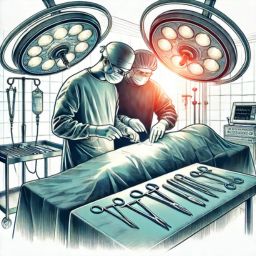
What is Obstetrics?
Obstetrics is a branch of medicine that focuses on the care of women during pregnancy, childbirth, and the postpartum period. It involves the management of pregnancy-related conditions, labor and delivery, and the health of both the mother and the baby. Obstetricians are medical professionals who specialize in this field and provide medical and surgical care to women during these stages.

Why Choose Jaipuriar Hospital for Obstetrics Care?
Experienced Obstetricians
Our skilled doctors specialize in prenatal, delivery, and postnatal care, ensuring the best outcomes for both mother and baby.Advanced Facilities
Jaipuriar Hospital is equipped with modern maternity wards, neonatal care units, and advanced diagnostic tools to handle routine and high-risk pregnancies.Comprehensive Support
From prenatal consultations to postpartum guidance, we provide complete care to support mothers throughout their journey.
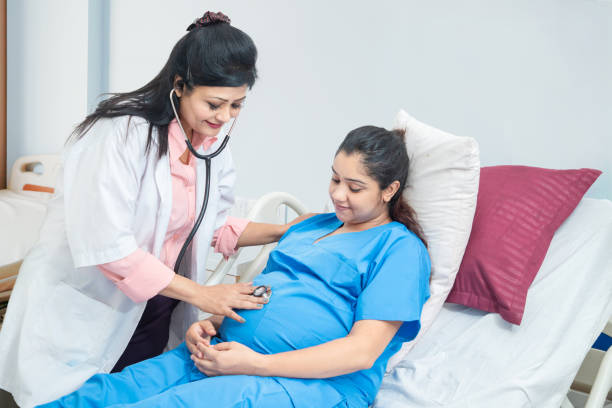


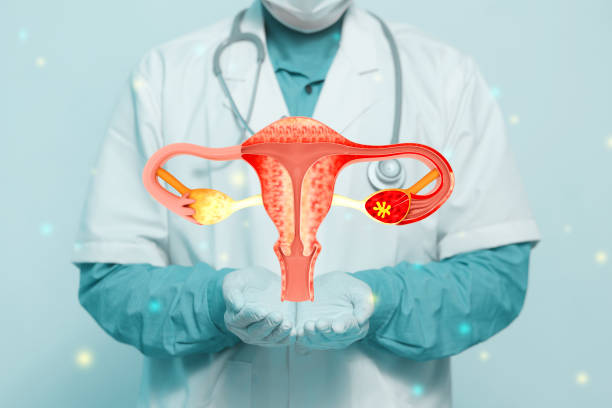
Our Obstetrics Services
- Prenatal Care: Regular check-ups, ultrasounds, and nutritional guidance to ensure a healthy pregnancy.
- Labor and Delivery: Safe and comfortable birthing options, including natural and cesarean deliveries.
- High-Risk Pregnancy Management: Specialized care for conditions like gestational diabetes, hypertension, or multiple pregnancies.
- Postnatal Care: Support for recovery, breastfeeding,

Patient-Centric Approach
At Jaipuriar Hospital, we understand that every pregnancy is unique. Our team works closely with each family to address their concerns, answer questions, and provide personalized care tailored to their needs.

Patient Journey at Jaipuriar Hospital
he patient journey for Obstetrics at Jaipuriar Hospital can be structured into key stages, ensuring comprehensive care from initial consultation to delivery and postpartum support. Here’s a breakdown of the journey:
1. Initial Consultation and Registration
- Welcome and Registration: The patient arrives at the hospital, where they are greeted and guided through the registration process.
- Medical History Review: A detailed medical history is taken, including prior pregnancies, family health history, and lifestyle.
- First Obstetric Consultation: The obstetrician conducts a thorough examination, confirms the pregnancy, and discusses early prenatal care, including lifestyle modifications, diet, and supplements.
2. Routine Checkups and Monitoring
- Ultrasound and Testing: Ultrasound scans are performed to assess the baby’s growth, development, and overall health. Additional tests such as blood work and screening for conditions like gestational diabetes or preeclampsia may be recommended.
- Follow-up Visits: Regular follow-up appointments are scheduled throughout the pregnancy (typically every 4 weeks during the first 28 weeks, every 2 weeks from 28 to 36 weeks, and weekly thereafter).
- Patient Education: During each visit, the obstetrician educates the patient on topics such as labor signs, birthing plans, and postnatal care.
3. Prenatal Classes and Counseling
- Prenatal Classes: The hospital may offer prenatal classes to help the patient prepare for childbirth, covering topics such as breathing exercises, labor positions, and what to expect during delivery.
- Emotional Support and Counseling: Counseling services are available for managing any anxiety, depression, or concerns about pregnancy, labor, and parenting.
4. Labor and Delivery
- Admission and Monitoring: When the patient goes into labor, they are admitted to the hospital, where the labor is monitored closely. The obstetrician, nurses, and support staff provide continuous care.
- Pain Management: Options for pain relief (e.g., epidurals, natural methods) are discussed, and the patient’s preferences are respected.
- Delivery: The obstetric team ensures a safe delivery, whether vaginal or cesarean, depending on the circumstances.
5. Postpartum Care
- Immediate Postpartum Care: After delivery, the patient and newborn are monitored in a recovery room. The mother receives assistance with breastfeeding and recovery.
- Postnatal Checkups: Follow-up visits within the first 6 weeks are scheduled to monitor the mother’s recovery and the newborn’s health.
- Lactation Support: Breastfeeding support is available, with lactation consultants assisting with any challenges.
6. Newborn Care and Vaccinations
- Newborn Assessment: The newborn undergoes routine assessments, including checking vital signs, administering necessary vaccines, and screening for any health conditions.
- Parenting Guidance: The hospital provides guidance on newborn care, including feeding, diapering, and sleep patterns.
7. Long-Term Follow-Up and Support
- Postpartum Depression Screening: Ongoing support is offered for mental health, including screening for postpartum depression and offering counseling if needed.
- Regular Pediatric Checkups: The newborn is scheduled for regular pediatric checkups, and the mother is encouraged to continue her postnatal care as needed.
This structured journey ensures that both the mother and baby receive comprehensive, compassionate care at every stage of pregnancy, labor, and postpartum recovery.
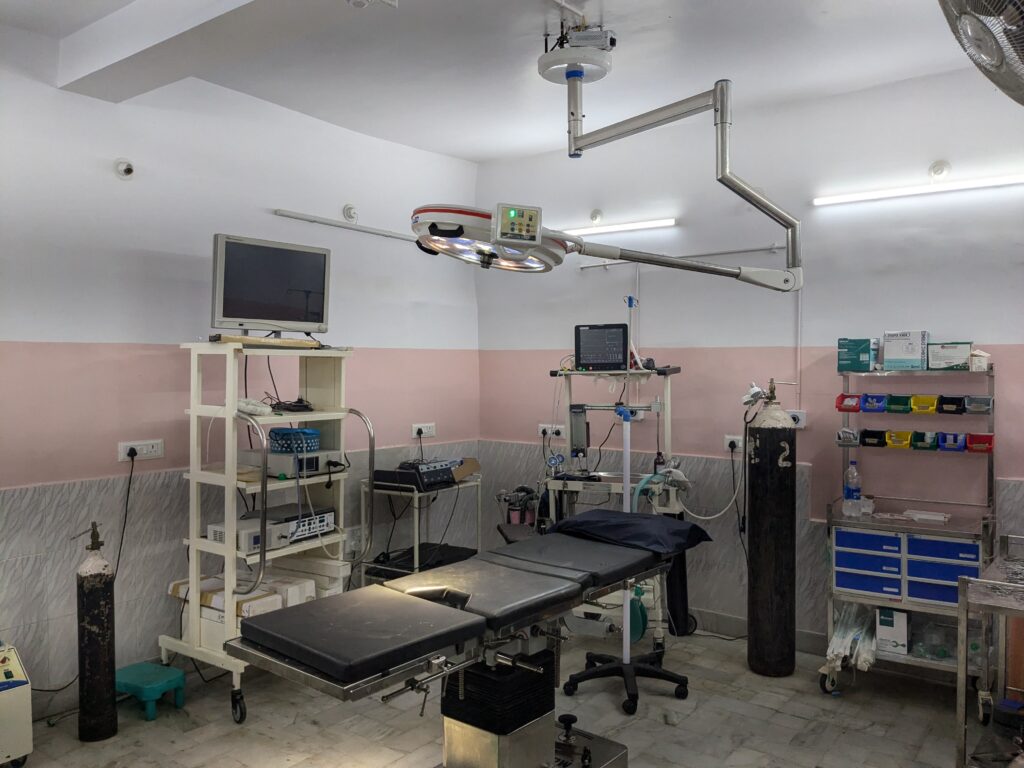
Recovery After Obstetrics (childbirth)
Rcovery after obstetrics (childbirth) is an essential phase that involves physical, emotional, and psychological healing. The process varies for each woman, depending on factors like the type of delivery (vaginal or cesarean), overall health, and any complications that may have occurred. Here’s a breakdown of what recovery typically involves:
1. Physical Recovery
Vaginal Delivery Recovery:
- Perineal Healing: If there was any tearing or an episiotomy (a surgical cut to widen the vaginal opening), the perineum (area between the vagina and anus) will need time to heal. Stitches typically dissolve on their own within a few weeks.
- Bleeding (Lochia): Postpartum bleeding, called lochia, is normal and can last for several weeks. It gradually changes from heavy to light and eventually stops.
- Pelvic Floor Recovery: Pelvic floor exercises (e.g., Kegel exercises) can help strengthen the muscles that support the bladder, uterus, and rectum.
- Urinary and Bowel Changes: Some women experience incontinence or constipation after childbirth. Drinking plenty of fluids, eating fiber-rich foods, and doing pelvic exercises can help alleviate these issues.
Cesarean Delivery Recovery:
- Incision Healing: The surgical incision on the abdomen and uterus requires time to heal. It’s essential to keep the area clean and dry to prevent infection.
- Pain Management: Post-cesarean pain can be managed with prescribed pain relievers. It’s common to feel soreness and discomfort for several weeks.
- Mobility and Rest: While it’s important to rest, light movements and gradual walking help prevent blood clots and promote healing. Avoid heavy lifting and strenuous activity for 6-8 weeks.
Breastfeeding:
- Sore Nipples: In the first few days or weeks, some women may experience sore or cracked nipples while breastfeeding. Using nipple creams or applying breast milk can help.
- Breast Engorgement: Swelling and discomfort can occur when milk production increases. Frequent breastfeeding or pumping helps relieve engorgement.
2. Emotional and Psychological Recovery
- Postpartum Hormonal Changes: After childbirth, hormone levels fluctuate, which can affect mood. It’s common to feel emotional, fatigued, or overwhelmed during the first few weeks.
- Postpartum Depression (PPD): Some women experience more intense emotional symptoms, such as persistent sadness, irritability, or difficulty bonding with the baby. It’s important to seek support if these feelings persist beyond a few weeks.
- Mental Health Support: Counseling or therapy can be beneficial for women struggling with anxiety, depression, or stress. Support groups for new mothers can also offer valuable emotional support.
3. Physical Activity and Exercise
- Rest and Recovery: The body needs adequate rest after childbirth. Avoid strenuous activity during the first few weeks and gradually ease back into exercise.
- Postpartum Exercise: Once cleared by the doctor (typically after 6 weeks), gentle exercises like walking, pelvic floor exercises, and light stretching can help improve strength and mobility. It’s essential to start slowly and gradually increase activity.
- Weight Loss: Losing weight after childbirth can take time. Focus on eating nutritious foods, staying hydrated, and getting enough sleep. A gradual return to exercise will help restore strength and stamina.
4. Follow-up Care
- Postnatal Checkups: A postpartum checkup is typically scheduled 6 weeks after childbirth. This visit allows the doctor to check on physical healing, mental health, and discuss birth control options, breastfeeding, and any other concerns.
- Pediatric Care for Baby: The newborn will have regular checkups with a pediatrician, ensuring proper growth, vaccination, and overall health.
5. Self-Care Tips
- Hydration and Nutrition: Drinking plenty of water and eating a balanced diet can support the healing process and improve energy levels.
- Sleep and Rest: Although it may be challenging with a newborn, prioritizing sleep and rest is vital for recovery.
- Support System: Leaning on a support system of family, friends, or a postpartum doula can make a big difference in emotional and physical recovery.
6. When to Seek Medical Help
- Signs of Infection: If there are signs of infection (fever, foul-smelling discharge, red or swollen incision), it’s important to contact a healthcare provider.
- Severe Pain or Complications: Unexplained pain, heavy bleeding, or other complications should be addressed immediately by a doctor.
7. Long-Term Considerations
- Contraception: It’s important to discuss family planning and contraception with your healthcare provider to choose the best option for your needs.
- Return to Work: After recovery, many women begin to return to work or other daily activities. It’s important to ease back into this transition at a pace that feels comfortable.
The recovery process is unique for each individual, and it’s crucial to be patient and allow time for healing. The support of healthcare providers, family, and friends is key to ensuring a smooth recovery journey.
Schedule Your Consultation
If you or a loved one requires laparoscopic surgery, trust the experts at Jaipuriar Hospital. Our commitment to excellence and patient-centric approach make us the ideal choice for your healthcare needs.